
44. The Pocket Project
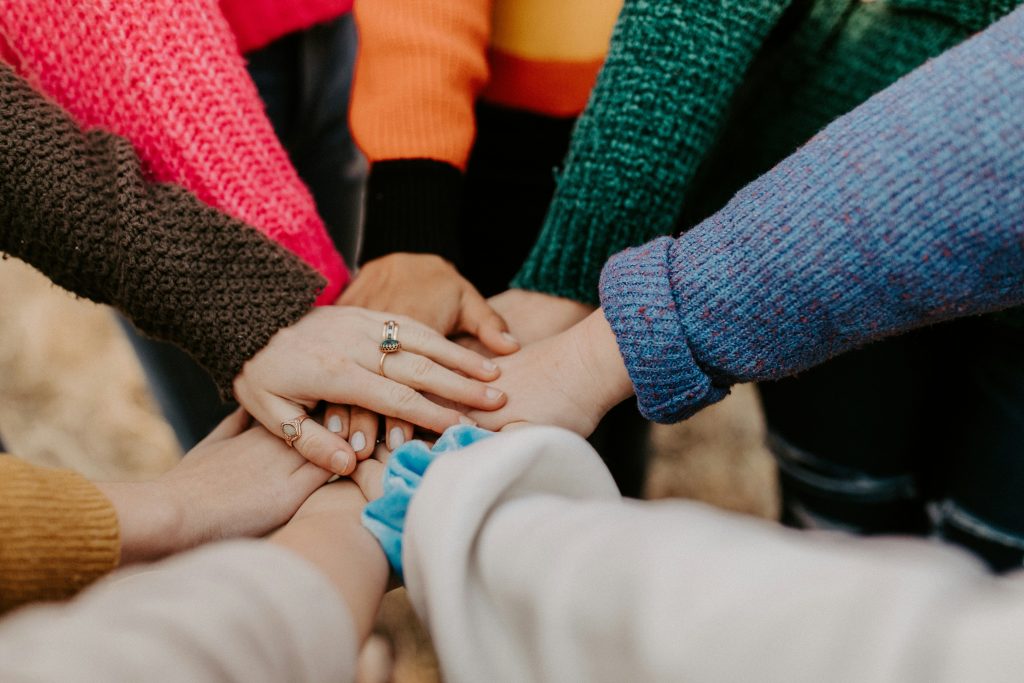
The Pocket Project is committed to restoring our collective ability to relate to the world, thus enabling a fuller expression of our unique contributions. Our relations are an essential part of who we are – I am because you are.
43. Trees Talk to One Another: Suzanne Simard and Other Authors
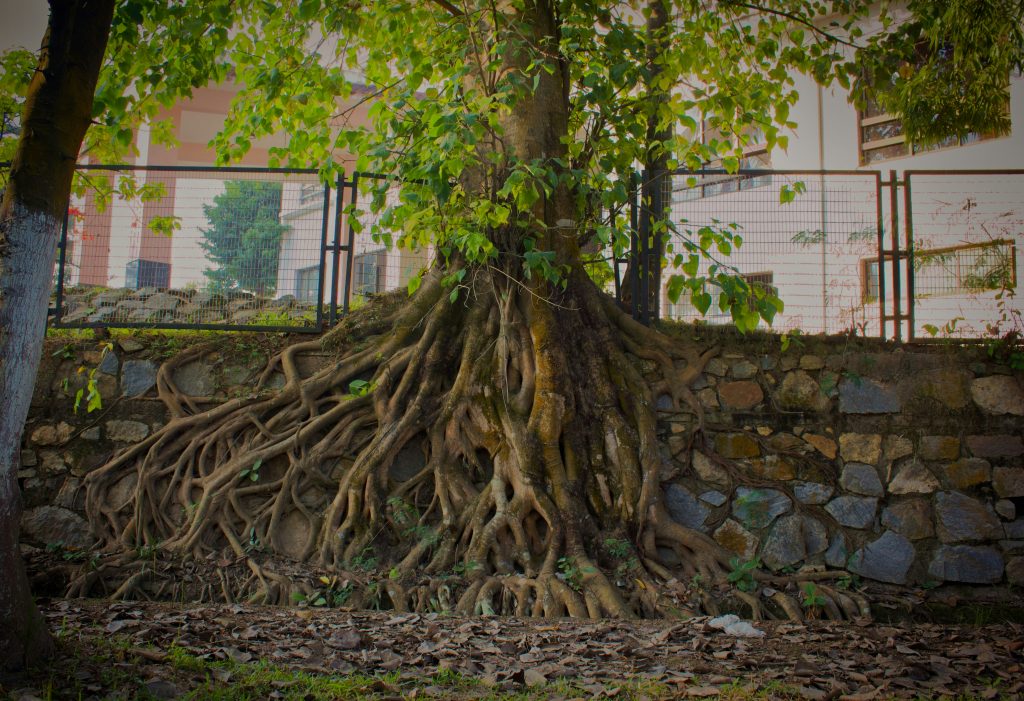
Trees communicate and cooperate through vast underground networks of fungi that connect their roots, allowing them to exchange nutrients and chemical signals. Drawing on the research of ecologist Suzanne Simard and Indigenous knowledge, this article explores how forests function as interconnected communities, where older trees nurture younger ones and biodiversity strengthens resilience.
42. Nurturing Our Humanity
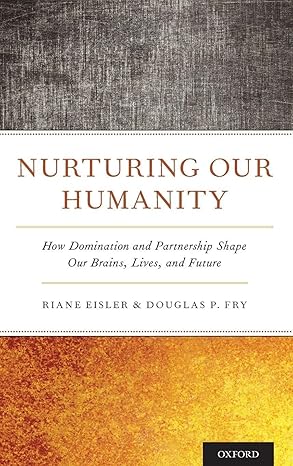
Nurturing Our Humanity offers a new perspective on our personal and social options in today’s world, showing how we can build societies that support our great human capacities for consciousness, caring, and creativity. A more equitable and sustainable way of life is biologically possible and culturally attainable: we can change our course.
41. Return the National Parks to the Tribes

David Treuer explores the history of Indigenous land dispossession in the United States and argues that America’s national parks should be returned to Indigenous tribes. The article examines how parks were established through the removal of Native peoples from their homelands, the lasting effects of broken treaties and forced displacement, and the deep cultural and spiritual connections Indigenous communities maintain with the land. It calls for Indigenous stewardship of national parks as a form of restitution that could restore dignity, protect sacred landscapes, and preserve them for future generations.
40. Self-Actualization: Becoming All That You Are Capable of Being

It’s a deep inner yearning to be of greater service and become all that you are capable of being in this life. It’s the growing awareness that we as a species are not living our lives at the level you know in your heart we are capable of.
39. The 13 Grandmothers Say That Systems That Are Not Cooperative Will Cave In on Themselves
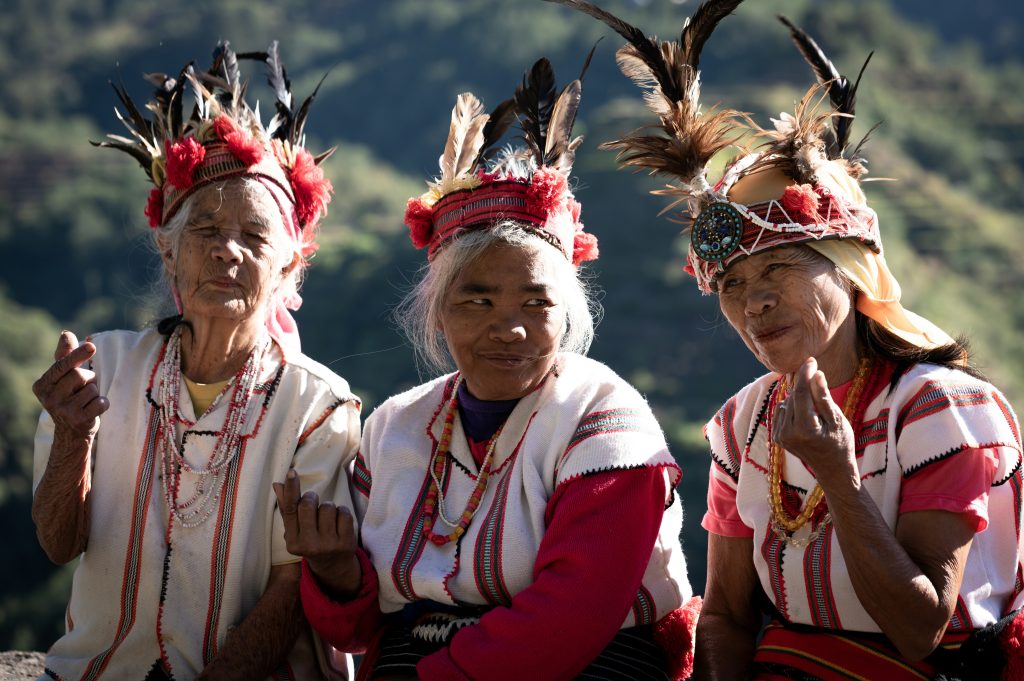
Cheyenne Zarate reflects on the teachings of Grandmother Spider, a figure in the traditions of several Indigenous peoples who represents wisdom, creativity, protection, and the interconnectedness of life. The piece explores how cooperation, partnership, and compassion offer an alternative to systems built on greed, competition, and dominance. It calls for renewed respect for the wisdom of elders, the feminine creative force, and our responsibility to care for one another and the Earth.
37. Covid Has Traumatized America
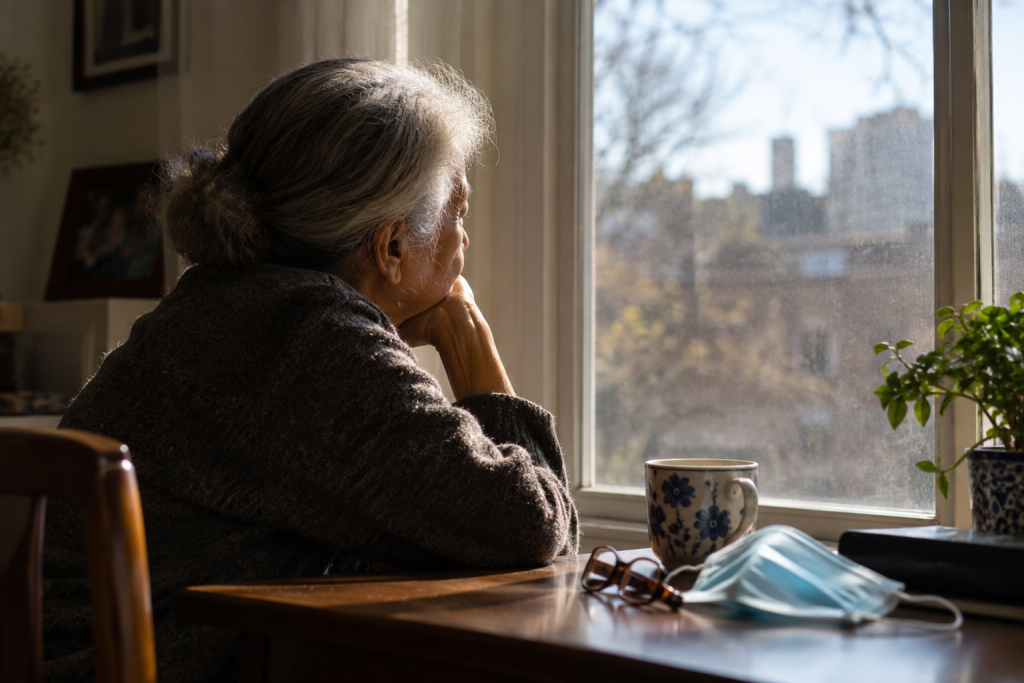
In this interview with journalist David Marchese, palliative care physician Dr. Diane E. Meier reflects on the lasting effects of the COVID-19 pandemic, the widespread nature of personal and collective trauma, and the importance of human connection in times of suffering. She discusses how unresolved trauma can shape responses to new crises, how racism and profit-driven healthcare affect trust and treatment, and why acknowledging painful experiences is essential to healing.
36. Politics of Power and Control

An exploration of the historical relationships between patriarchy, land ownership, wealth, and political power. Drawing on theories about the transition from hunter-gatherer societies to agricultural communities, the article examines how property, patrilineal kinship, competition between clans, and control over women may have contributed to the development of hierarchical social structures and patterns of violence.
34. The Goddess Report: When God Was a Woman, Parts I and II

A collection of resources exploring ancient Goddess cultures, the Divine Feminine, and the historical shift toward patriarchy. Featuring Merlin Stone’s When God Was a Woman, the film Goddess Remembered, presentations by Shannon Port and Sharon Moloney, and additional resources from Adrienne Maree Brown, this collection considers the sacredness of the female body, gender equality, and the importance of restoring balance and mutual respect.
34. The Fall of Atlantis: What We Can Learn From Our Ancient Past

Laura Jane reflects on the story of Atlantis and the lessons it may offer about the rise and decline of civilizations. Drawing on Plato’s account and interpretations of ancient societies, the article considers the relationship between spirituality, material wealth, greed, violence, and the pursuit of power, suggesting that reconnecting with spiritual growth and deeper values may help address humanity’s current challenges.