
50. Acknowledgements and Appreciations
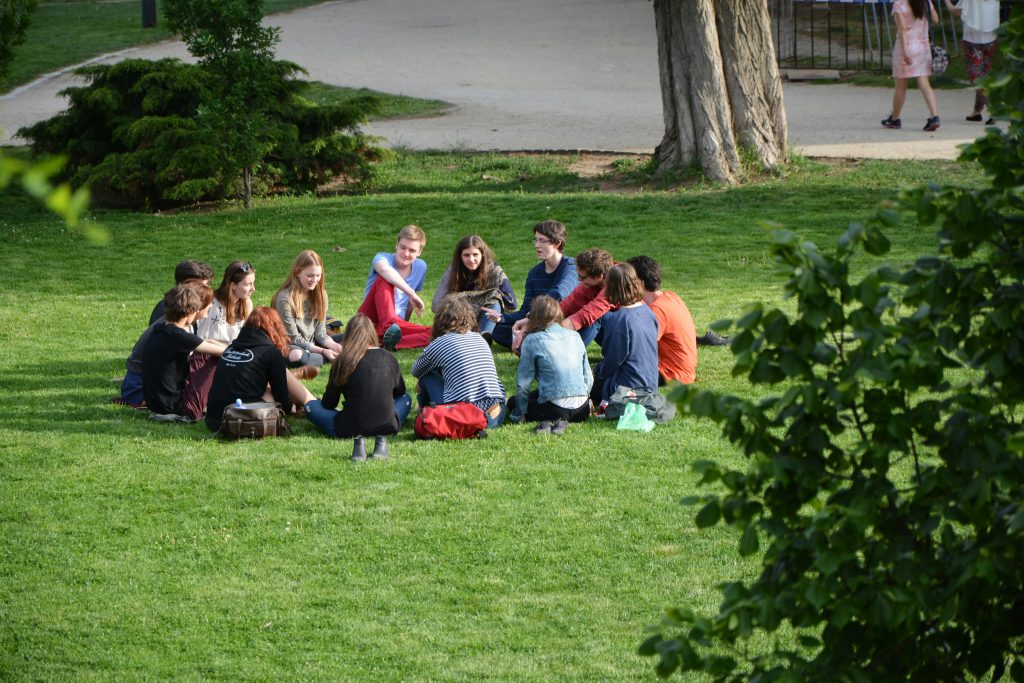
None of us can solve the problems in front of us by ourselves. We need one another. We need connection. We need community. We each get to see into one another’s blind spots and therefore see more fully what needs to be seen.
48. New Republic of the Heart, Terry Patten
Between 2018 and the present time, The New Republic of the Heart has brought together people and communities to address our urgent global challenges by doing the inner work of personal transformation AND the outer work of civic engagement.
45. Wisdom of Trauma, Gabor Maté, Thomas Hübl

Trauma is the invisible force that shapes our lives. It shapes the way we live, the way we love and the way we make sense of the world. It is the root of our deepest wounds. Dr. Maté gives us a new vision: a trauma-informed society in which parents, teachers, physicians, policy-makers and legal personnel seek to understand the sources from which troubling behaviors and diseases spring in the wounded human soul, rather than focusing on fixing behaviors, suppressing symptoms and judging.
44. The Pocket Project
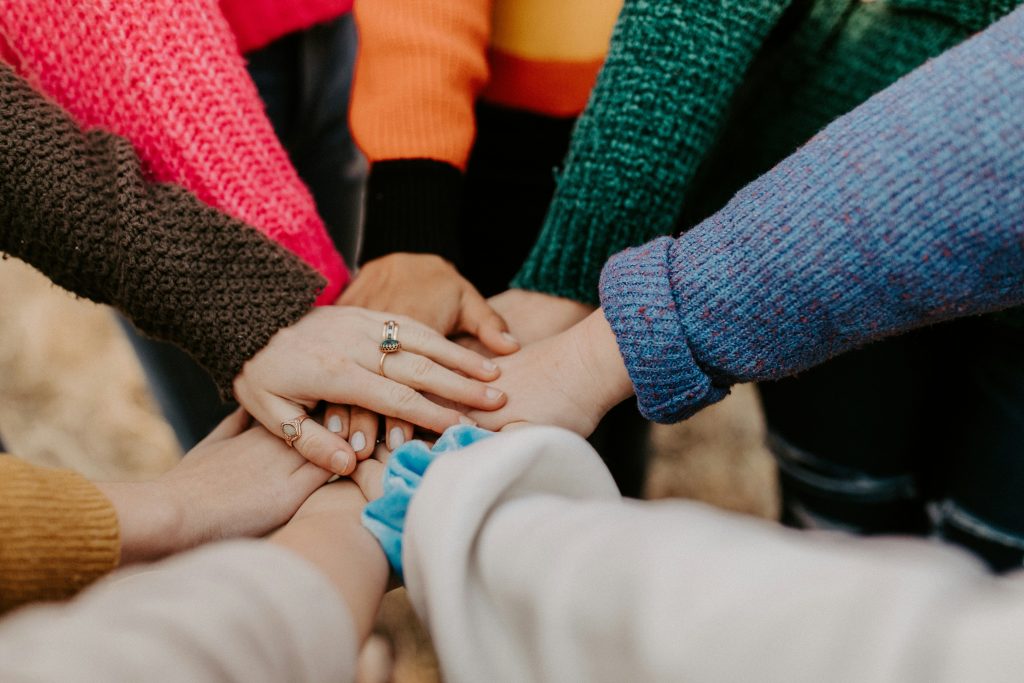
The Pocket Project is committed to restoring our collective ability to relate to the world, thus enabling a fuller expression of our unique contributions. Our relations are an essential part of who we are – I am because you are.
43. Trees Talk to One Another: Suzanne Simard and Other Authors
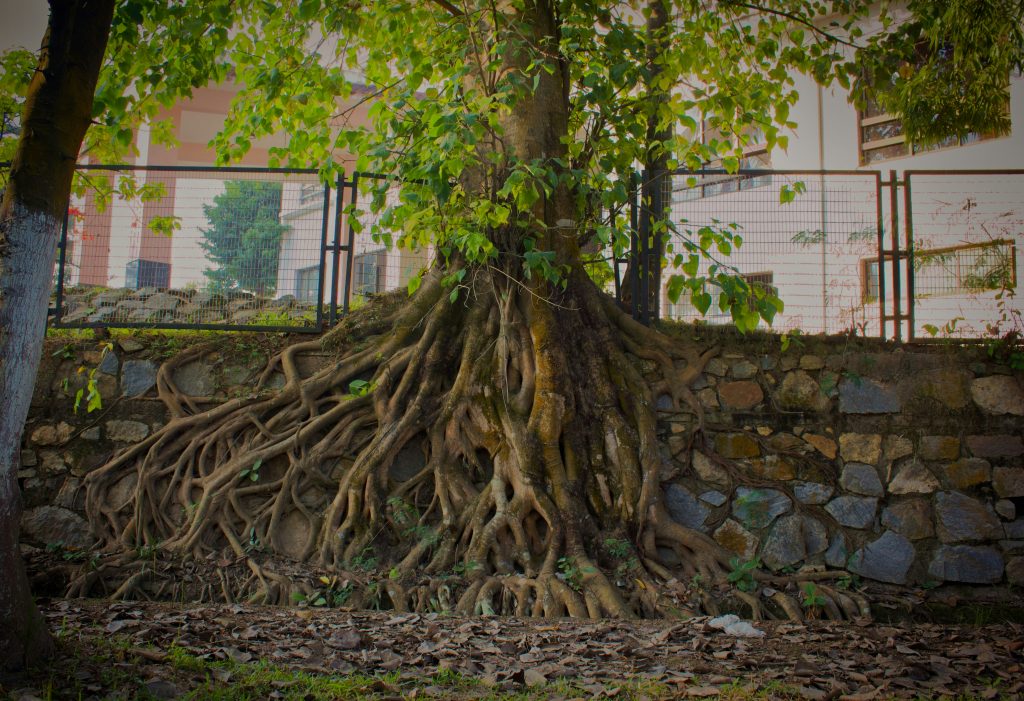
Trees communicate and cooperate through vast underground networks of fungi that connect their roots, allowing them to exchange nutrients and chemical signals. Drawing on the research of ecologist Suzanne Simard and Indigenous knowledge, this article explores how forests function as interconnected communities, where older trees nurture younger ones and biodiversity strengthens resilience.
39. The 13 Grandmothers Say That Systems That Are Not Cooperative Will Cave In on Themselves
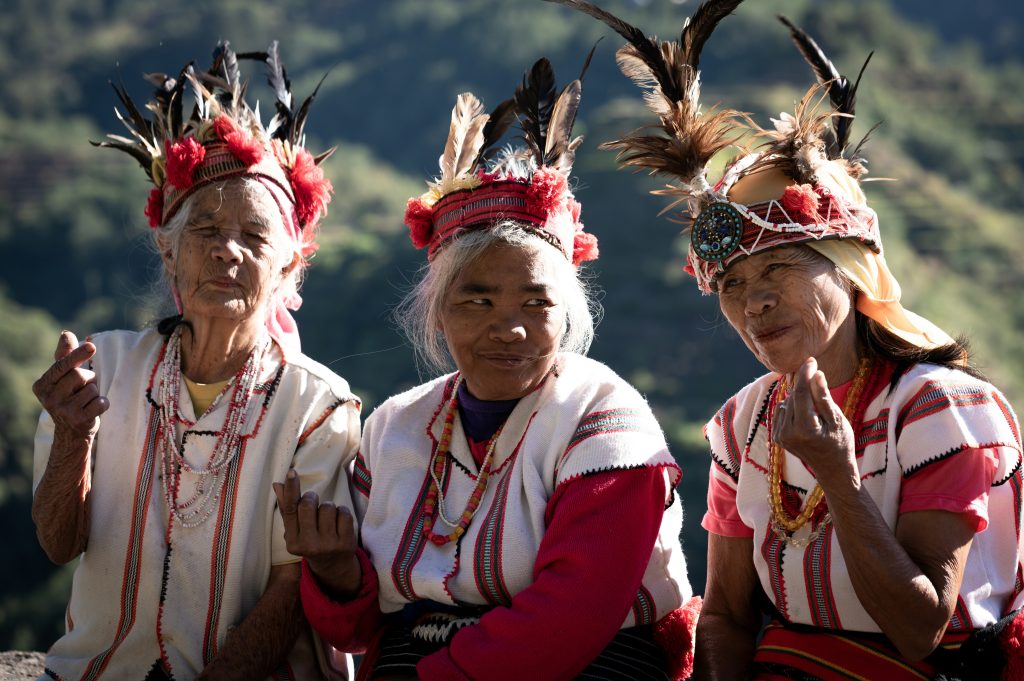
Cheyenne Zarate reflects on the teachings of Grandmother Spider, a figure in the traditions of several Indigenous peoples who represents wisdom, creativity, protection, and the interconnectedness of life. The piece explores how cooperation, partnership, and compassion offer an alternative to systems built on greed, competition, and dominance. It calls for renewed respect for the wisdom of elders, the feminine creative force, and our responsibility to care for one another and the Earth.
37. Covid Has Traumatized America
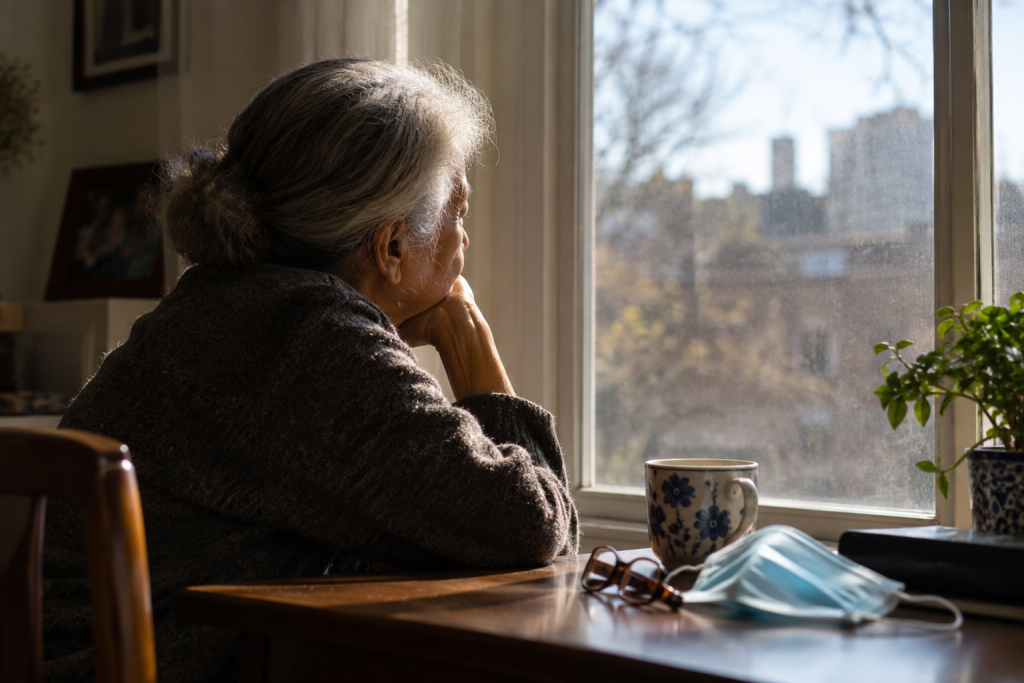
In this interview with journalist David Marchese, palliative care physician Dr. Diane E. Meier reflects on the lasting effects of the COVID-19 pandemic, the widespread nature of personal and collective trauma, and the importance of human connection in times of suffering. She discusses how unresolved trauma can shape responses to new crises, how racism and profit-driven healthcare affect trust and treatment, and why acknowledging painful experiences is essential to healing.
24. Global Challenges Are Directing Us Toward a Unity of Purpose

An exploration of how global crises, social division, and collective uncertainty can become catalysts for greater cooperation and unity. The authors consider the movement from separation and hierarchy toward wholeness, ethical responsibility, deeper listening, and a shared sense of purpose across differences.
13. How and Why Did We First Lose “Right Balance” with Mother Earth?

A reflection on how humanity may have lost its intimate relationship with the Earth and with one another. Drawing on Indigenous teachings, Goddess cultures, and Marija Gimbutas’s interpretation of prehistoric Europe, the piece considers the relationship between connection, reciprocity, patriarchy, exploitation, and our growing separation from the natural world. It ultimately asks what we can learn from older ways of relating to Earth and each other as we face today’s climate crisis.
10a. Giving Better Back

A practical approach to responding differently when conflict arises in an intimate relationship. Drawing from Mona Barbera’s Bring Yourself to Love and Internal Family Systems, “Giving Better Back” encourages us to meet criticism, agitation, judgment, or distance with greater curiosity, calm, compassion, clarity, and connection. Rather than trying to change our partner, the practice invites us to take responsibility for our own responses and create new patterns of relating.