
Learning to See in the Dark Amid Catastrophe: An Interview With Deep Ecologist Joanna Macy

In this interview with Dahr Jamail, Joanna Macy discusses how facing the reality of ecological and social crises can become a pathway toward deeper awareness, connection, and action. She reflects on the Work That Reconnects, the “Great Unraveling” and “Great Turning,” and the importance of moving through grief, fear, and uncertainty together rather than turning against one another.
A Century of suffrage
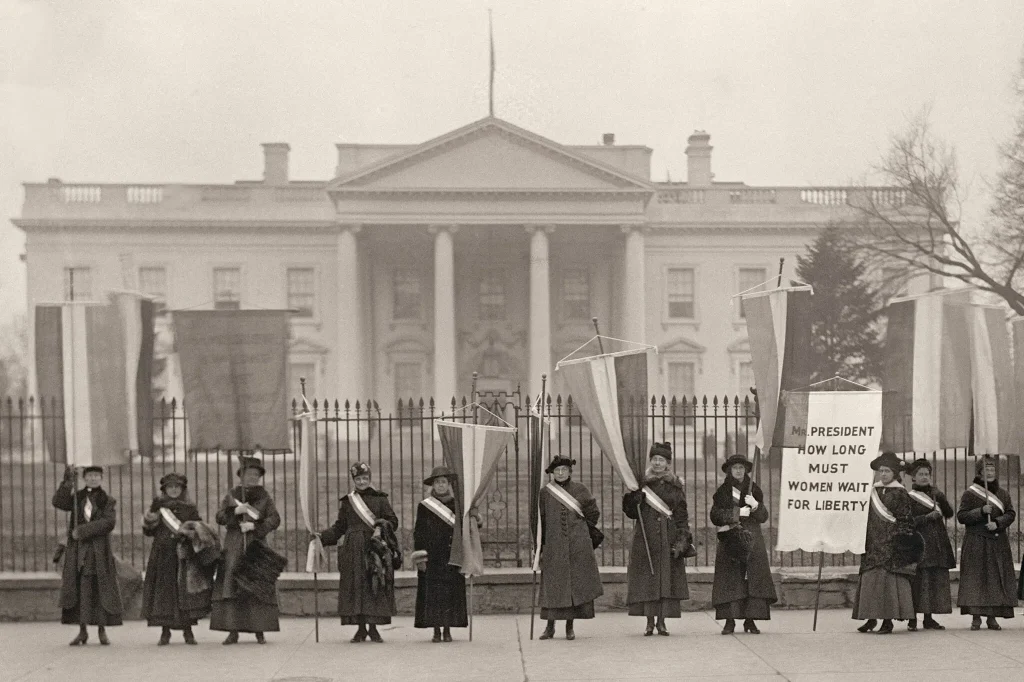
This New York Times article marks the centennial of the ratification of the 19th Amendment and examines the long struggle for women’s voting rights in the United States. It highlights how Native American, Chinese American, and African American women continued to face barriers to voting after 1920, connecting the history of suffrage to the continuing struggle over voting access and political participation.
Full Transcript of Michelle Obama’s D.N.C. Speech

This New York Times article provides the full transcript of Michelle Obama’s keynote speech from the first night of the 2020 Democratic National Convention. In the speech, Obama reflects on American democracy, presidential leadership, injustice, civic participation, and the responsibilities of voters and leaders.
The Great Turning By Joanna Macy

Joanna Macy describes the “Great Turning” as the transition from an Industrial Growth Society to a life-sustaining civilization. She identifies three interconnected pathways for change: slowing ecological destruction, understanding and transforming the economic and political structures causing it, and creating new life-sustaining social and economic alternatives. The article frames the ecological crisis not simply as an environmental problem, but as a systemic transformation already underway.
Beyond unsustainable leadership: critical social theory for sustainable leadership

Bendell, J., Sutherland, N. and Little, R. (2017)
Drawing on critical social theory, this paper challenges conventional ideas of leadership and argues that meaningful responses to sustainability require a broader understanding of power, collective action, and social change. It lays the conceptual foundations for rethinking leadership as a shared and systemic practice rather than the work of exceptional individuals.
Democracy Demands a Richer Britain

Drawing on research into political participation and income inequality, Jem Bendell and Matthew Lopatin argue that economic disparity is eroding democratic life. They call for a broader public conversation about reshaping the economy so that prosperity, participation, and political stability are shared more equitably across society.
The Collapse of Ideology and the End of Escape

Reflecting on the deeper implications of climate-driven societal collapse, Jem Bendell examines the beliefs that shape modern culture—from certainty and control to progress and exceptionalism. He argues that meeting an uncertain future requires not only systemic change, but an inner willingness to question the assumptions that have long governed how we live, hope, and make meaning.
The study on collapse they thought you should not read – yet

Jem Bendell introduces the concept of Deep Adaptation, arguing that the prospect of climate-driven societal disruption calls not only for practical responses but for profound emotional and cultural reflection. Rather than encouraging despair, he invites an honest engagement with uncertainty, loss, and the possibilities for compassion, resilience, and meaningful action.
Ten ways to confront the climate crisis without losing hope
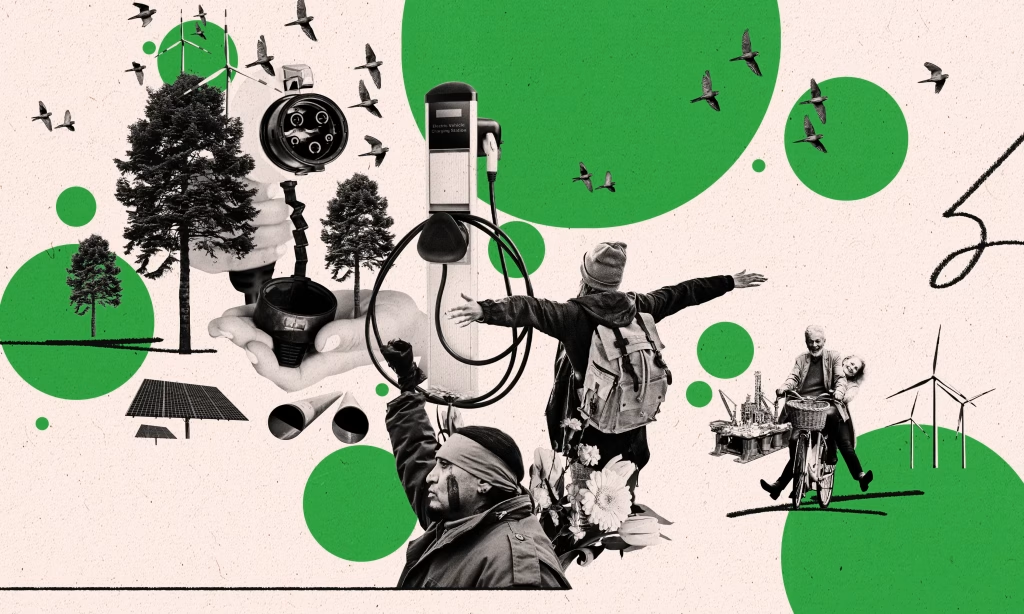
Rebecca Solnit argues that despair is neither inevitable nor useful in the face of the climate crisis. Drawing on examples of social movements, political change, and collective action, she reframes hope as an active practice—one that recognizes the power of ordinary people to challenge entrenched interests and help shape a more just and sustainable future.
No Tree Knows Mystery – Drawing Parallels Between the Life of a Human and a Tree

Drawing on the life cycle of a tree, this reflection explores the parallels between human development and the natural world. Through themes of growth, resilience, change, loss, and renewal, it invites readers to recognize nature as a quiet teacher, offering insight into the rhythms and challenges of being human.