
The World We Have
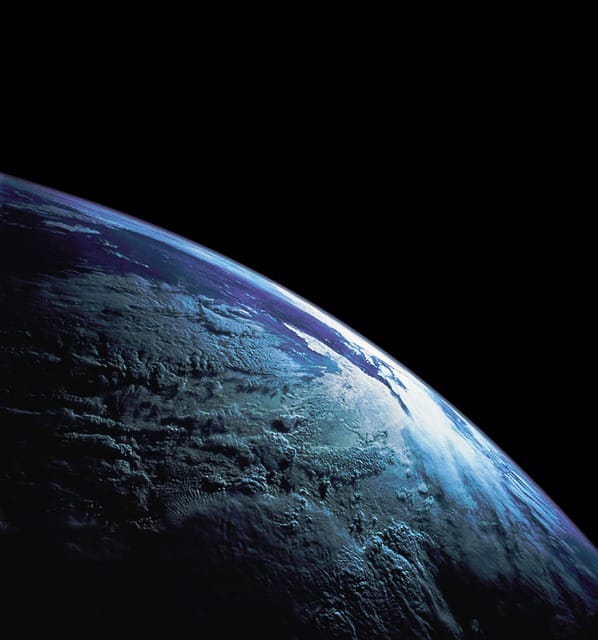
Thich Nhat Hanh reflects on the environmental crisis as a consequence of collective unconsciousness, urging a way of living rooted in mindfulness, compassion, and reverence for the Earth. Rather than seeking endless consumption, he invites us to awaken to our interdependence and embrace a vision of well-being grounded in simplicity, love, and shared responsibility.
Why a California oil workers union is getting behind clean energy

Challenging the assumption that organized labor and climate action are inherently at odds, this article examines a proposal for creating hundreds of thousands of clean energy jobs while supporting workers through the transition away from fossil fuels. It highlights the importance of pairing ambitious climate policy with economic security and a just transition for affected communities.
Using Traditional Ecological Knowledge as a Framework

Article reviewed and suggested by Tulika Monhan
This overview introduces Traditional Ecological Knowledge (TEK) as an evolving body of wisdom developed through generations of close relationship with the natural world. It explores how Indigenous knowledge has informed modern biology while offering enduring insights into biodiversity, conservation, and the interconnectedness of life.
Finding wisdom in science and Indigenous knowledge

Reflecting on a lifetime in scientific research, David Suzuki explores both the strengths and limitations of science as a way of understanding the world. He argues that scientific inquiry is most meaningful when held alongside Indigenous knowledge, humility, and a deeper appreciation of the interconnectedness of life.
Urban Nature Experiences Reduce Stress in the Context of Daily Life Based on Salivary Biomarkers

Mary Carol R. Hunter, Brenda W. Gillespie, Sophie Yu-Pu Chen.
This study investigates how time spent in natural settings affects physiological markers of stress in everyday life. Measuring changes in salivary cortisol and alpha-amylase, the research provides evidence that even brief, regular experiences of nature can promote restoration and support physical and emotional well-being.
Tending the Wild

Drawing on Kat Anderson’s Tending the Wild, Charles Eisenstein challenges the enduring myth of untouched wilderness, revealing how Indigenous peoples actively cultivated and enriched the landscapes they inhabited. He invites a reconsideration of humanity’s role in nature—not as separate from the living world, but as participants capable of leaving a healing rather than destructive trace.
Beyond just Trump: The failures that led to the Capitol riots
Mike Bebernes, 2021,
Bringing together a range of perspectives, this article examines the political, cultural, and institutional failures that culminated in the January 6 attack on the U.S. Capitol. It considers the roles of extremist ideologies, media ecosystems, democratic erosion, and the enduring influence of white supremacy in shaping the events of that day.
Fallacies and Pitfalls in Psychology: Ethics, Critical Thinking & Language: Using Words to Deceive
Drawing on examples from psychotherapy, business, and public life, Kenneth S. Pope, Ph.D., and Melba J.T. Vasquez, Ph.D., examine how language can obscure ethical responsibility, conceal harm, and shape perception. The article invites readers to recognize the subtle ways words can distort accountability and interfere with critical thinking.
Men nearly caused human extinction 7,000 years ago, new theory states

Jamie Seidel, 2018
Revisiting the Neolithic Y chromosome bottleneck, this article explores the hypothesis that widespread conflict among male kin groups dramatically reduced male genetic diversity thousands of years ago. It considers how emerging patterns of violence, competition, and social organization may have shaped the development of early human societies.
Deep Adaptation: A Map for Navigating Climate Tragedy

By Jem Bendell
This paper is not the venue for a detailed examination of all the latest climate science. However, I reviewed the scientific literature from the past few years and where there was still large uncertainty then sought the latest data from research institutes. In this section I summarize the findings to establish the premise that it is time we consider the implications of it being too late to avert a global environmental catastrophe in the lifetimes of people alive today.
It is a truism that we do not know what the future will be. But we can see trends. We do not know if the power of human ingenuity will help sufficiently to change the environmental trajectory we are on. Unfortunately, the recent years of innovation, investment and patenting indicate how human ingenuity has increasingly been channeled into consumerism and financial engineering. We might pray for time. But the evidence before us suggests that we are set for disruptive and probably uncontrollable levels of climate change, bringing starvation, destruction, migration, disease and war (Servigne and Stevens, 2020).