
Introduction to Internal Family Systems
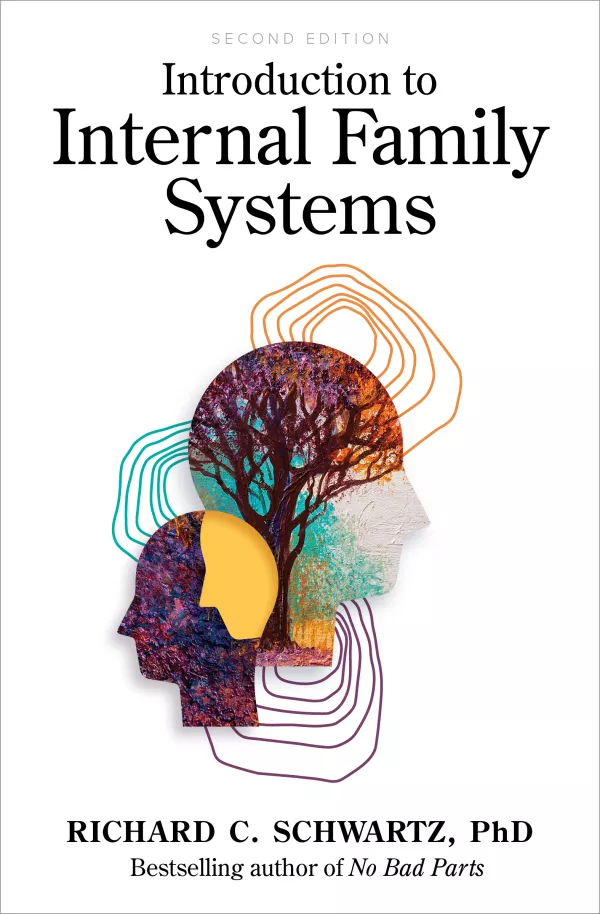
Richard C. Schwartz introduces Internal Family Systems (IFS), a therapeutic model that understands the mind as a community of distinct inner parts, each with its own role and purpose. Through compassion, curiosity, and Self-leadership, he shows how wounded parts can heal, allowing greater inner harmony, resilience, and authentic connection with ourselves and others.
Our Moment of Choice: Evolutionary Visions and Hope for the Future

Edited by Robert Atkinson, Kurl Johnson and Deborah Moldow, this collection brings together forty-two thought leaders who explore humanity’s response to today’s intertwined ecological, social, and economic crises. United by a vision of conscious evolution, the contributors examine how inner transformation, collective purpose, and a growing awareness of our interconnectedness can help shape a more just, peaceful, and life-affirming future.
The Story of Our Time: From Duality to Interconnectedness to Oneness
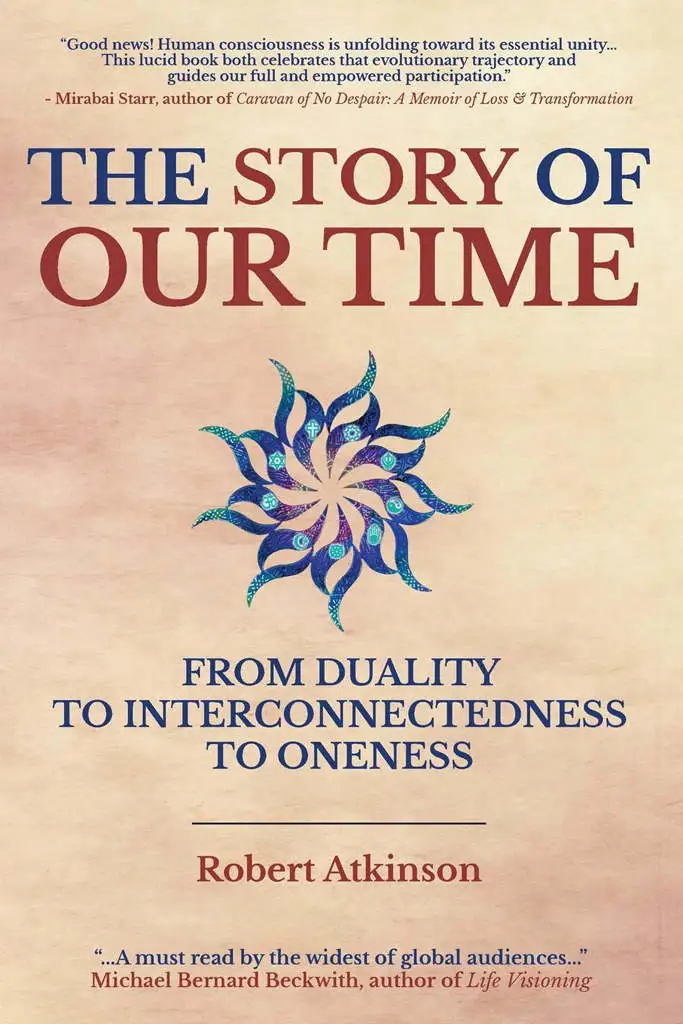
Robert Atkinson traces humanity’s evolving story from separation and duality toward interconnectedness and oneness, drawing on the shared wisdom of the world’s spiritual traditions. He presents conscious evolution as an unfolding process that invites both personal transformation and collective participation in creating a more compassionate, unified, and life-affirming future.
The New Jim Crow
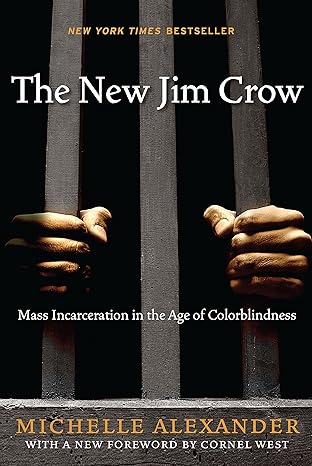
Michelle Alexander argues that mass incarceration has become a new system of racial control in the United States, replacing overt segregation with policies that disproportionately target Black communities while maintaining the appearance of racial neutrality. Drawing on legal history and criminal justice research, she reveals how discrimination persists through institutions that deny millions full citizenship and equal rights.
The Strange Career of Jim Crow

C. Vann Woodward examines the origins of the Jim Crow system, showing that racial segregation in the American South was not an enduring historical tradition but a relatively recent legal and political invention. His influential account reveals how laws and institutions created and sustained racial inequality, reshaping understandings of race, democracy, and justice in the United States.
Birth of a White Nation
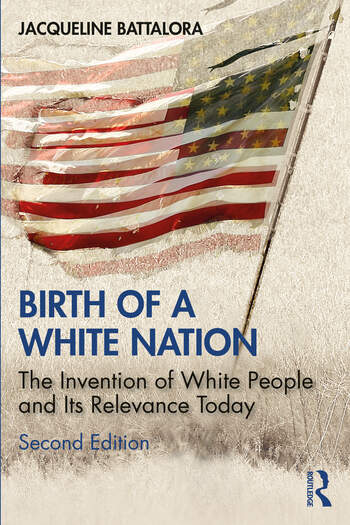
Jacqueline Battalora traces the historical invention of “white people” as a legal and social category, revealing how race was constructed to establish and preserve systems of power and privilege. Drawing on colonial law and history, she examines the enduring legacy of whiteness and offers a framework for understanding—and dismantling—the structures that continue to shape racial inequality today.
Being the Change: Discoveries from a Yearlong Living Laboratory
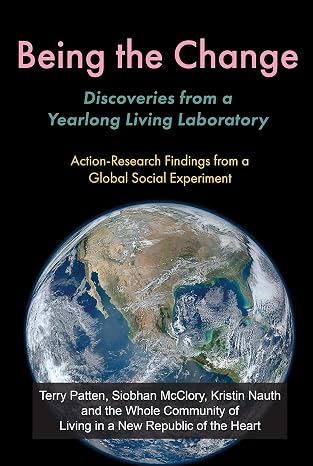
Terry Patten, Siobhan McClory, and Kristin Nauth document a year-long global experiment in collective transformation, sharing the practices, insights, and challenges of people learning to “be the change” together. Through action inquiry and intentional cultural evolution, they explore how inner development, authentic relationships, and collaborative action can help catalyze the profound societal changes our times demand.
A New Republic of the Heart: An Ethos for Revolutionaries
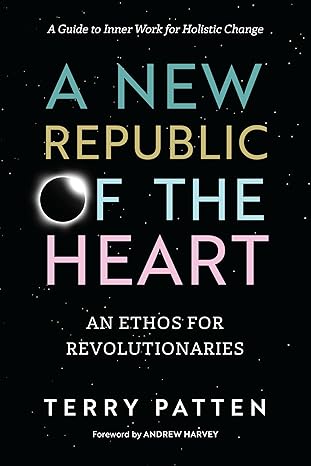
Recasting current problems as emergent opportunities, Terry Patten offers creative responses, practices, and conscious conversations for tackling the profound inner and outer work we must do to build an integral future. In practical and personal terms, he discusses how we can all become active agents of a transformation of human civilization and why that is necessary to our continued survival. Patten’s narrative focuses on two aspects of existence–our dynamic but fractured and threatened world, and our underlying wholeness and unity. Only by honoring both of these realities simultaneously can we make sustainable changes in ourselves, our communities, our body politic, and our planetary life-support system.
The End of Patriarchy: Radical Feminism for Men
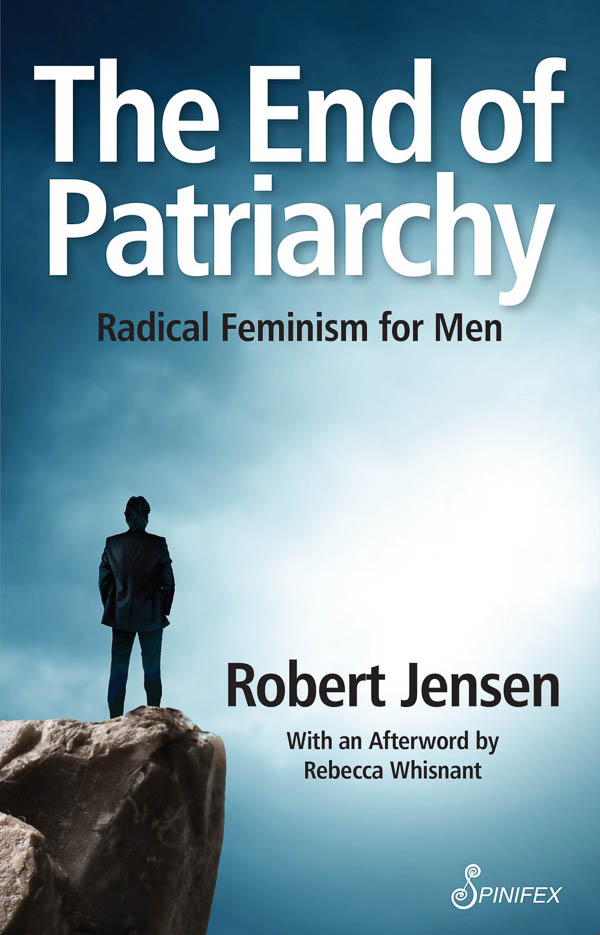
The End of Patriarchy asks one key question: what do we need to create stable and decent human communities that can thrive in a sustainable relationship with the larger living world? Robert Jensen’s answer is feminism and a critique of patriarchy. He calls for a radical feminist challenge to institutionalized male dominance; an uncompromising rejection of men’s assertion of a right to control women’s sexuality; and a demand for an end to the violence and coercion that are at the heart of all systems of domination and subordination. The End of Patriarchy makes a powerful argument that a socially just society requires no less than a radical feminist overhaul of the dominant patriarchal structures.
Change the Story, Change the Future: A Living Economy for a Living Earth

David C. Korten
Our current story is about Sacred Money and Markets. Money, it tells us, is the measure of all worth and the source of all happiness. The market is omniscient. Earth is simply a source of raw materials. Inequality and environmental destruction are unfortunate but unavoidable. Although many recognize this story promotes bad ethics, bad science, and bad economics, it will remain our guiding story until replaced by a more compelling story that aligns with our deepest understanding of the universe and our relationship to it.