
25. Tending the Wild, Charles Eisenstein

A reflection on Indigenous relationships with land and the ways California Native communities intentionally tended and shaped ecosystems over generations. Drawing on Kat Anderson’s Tending the Wild, Charles Eisenstein explores a different understanding of stewardship, one based not on leaving nature untouched, but on developing intimate, reciprocal relationships with the living world and learning how to participate in its regeneration.
22k. Kat Anderson – Tending the Wild

A reflection on Indigenous relationships with land, community, and the living world, drawing on M. Kat Anderson’s Tending the Wild. The book documents how California Native communities actively tended landscapes through practices such as harvesting, sowing, pruning, and controlled burning, challenging the idea of untouched wilderness and offering a different understanding of stewardship and reciprocity.
22h. Indigenous Teachings

A collection of books exploring Indigenous knowledge, community, ecological wisdom, and ways of living in reciprocal relationship with the natural world.
Spiral Journey

Spiral Journey offers international programs and facilitator development in the Work That Reconnects, supporting people in responding to the interconnected crises of climate disruption, systemic racism, oppression, war, and species extinction.
Deep Adaptation
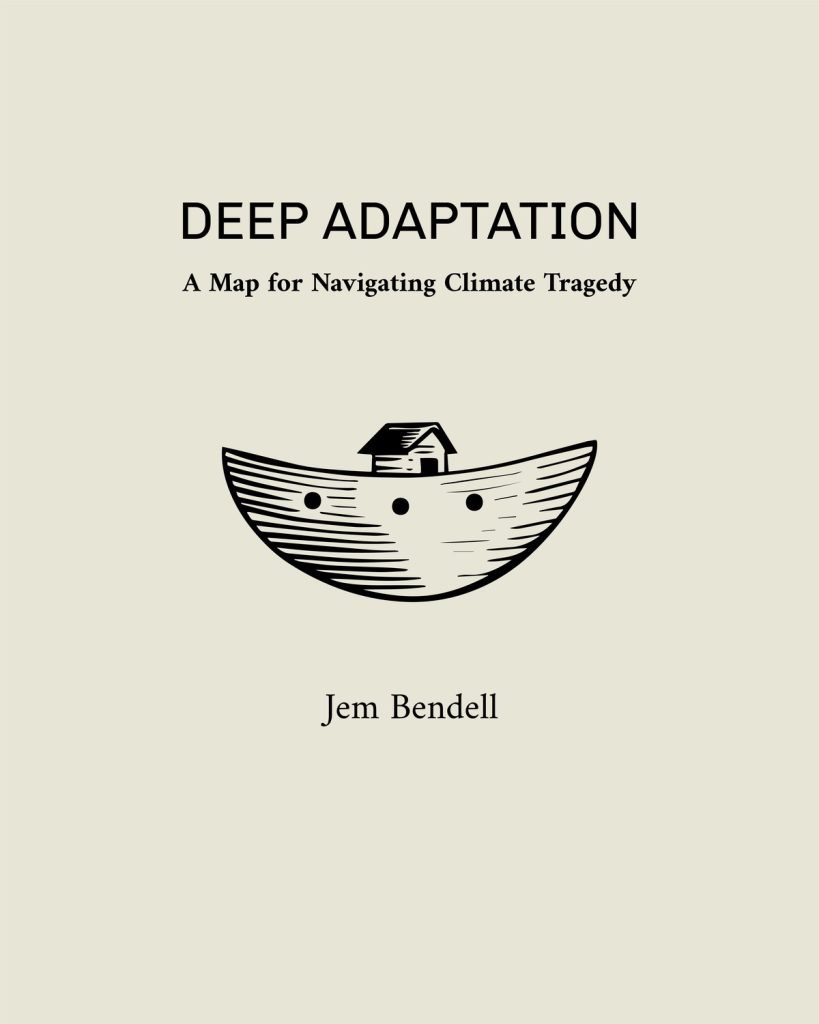
Jem Bendell, co-editing with Rupert Read, brings together scholars, activists, and practitioners to explore how individuals and communities might respond to the realities of climate disruption and potential societal collapse. Grounded in the Deep Adaptation framework, the contributors examine grief, resilience, justice, and collective dialogue as foundations for navigating an uncertain future.
Birth of a White Nation
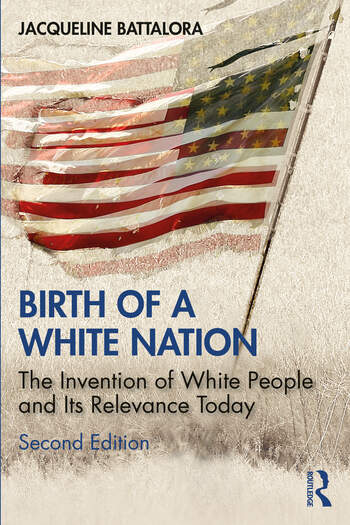
Jacqueline Battalora traces the historical invention of “white people” as a legal and social category, revealing how race was constructed to establish and preserve systems of power and privilege. Drawing on colonial law and history, she examines the enduring legacy of whiteness and offers a framework for understanding—and dismantling—the structures that continue to shape racial inequality today.
Tending the Wild
Drawing on Kat Anderson’s Tending the Wild, Charles Eisenstein challenges the enduring myth of untouched wilderness, revealing how Indigenous peoples actively cultivated and enriched the landscapes they inhabited. He invites a reconsideration of humanity’s role in nature—not as separate from the living world, but as participants capable of leaving a healing rather than destructive trace.
Indigenous Community: Rekindling the Teachings of the Seventh Fire
In his book, Indigenous Community, Dr. Cajete takes up the question: What kind of ways of teaching and learning do Indigenous peoples need to revitalize, maintain, and sustain Indigenous Community in the 21st century and beyond? He considers:
• the changes in the nature of Indigenous community that have occurred because of colonization;
• the present state of Indigenous community;
• how to create an educational context for renewing and revitalizing Indigenous community;
• case studies of how community-based educational planning has brought community renewal;
• the role of community-based research for renewal and sustainability; and more.
Tending the Wild
By M. KAT ANDERSON
A complex look at California Native ecological practices as a model for environmental sustainability and conservation.
John Muir was an early proponent of a view we still hold today—that much of California was pristine, untouched wilderness before the arrival of Europeans. But as this groundbreaking book demonstrates, what Muir was really seeing when he admired the grand vistas of Yosemite and the gold and purple flowers carpeting the Central Valley were the fertile gardens of the Sierra Miwok and Valley Yokuts Indians, modified and made productive by centuries of harvesting, tilling, sowing, pruning, and burning. Marvelously detailed and beautifully written, Tending the Wild is an unparalleled examination of Native American knowledge and uses of California’s natural resources that reshapes our understanding of native cultures and shows how we might begin to use their knowledge in our own conservation efforts.
Native Solutions to Big Fires

Native practices of controlled burns (also practiced by indigenous folk in Australia and India) were banned under settler colonialism, but the rise in uncontrolled fires is making officials revisit more traditional methods of conservation
Article reviewed and suggested by Tulika Monhan