
51. What do radical feminists have to say on the matter of climate emergency and the topic of near-term extinction?
This article explores the relationship between radical feminism, patriarchy, and the destruction of the natural world. Reflecting on whether humanity as a whole is responsible for ecological devastation, the author considers the role of male-dominated systems in war, sexual exploitation, colonization, slavery, and the exploitation of the Earth. The piece questions whether women should share equal responsibility for harms perpetrated within patriarchal systems and examines the complex relationship between complicity, power, and resistance.
49. Videos Relating to the Problem and the Solution
A collection of videos exploring humanity’s relationship with the natural world and the importance of protecting the Earth. Featuring Jane Goodall and Conservation International’s Nature Is Speaking series, with voices including Harrison Ford, Liam Neeson, Reese Witherspoon, Edward Norton, Lupita Nyong’o, and Robert Redford, these videos give a voice to Mother Earth and the natural elements and ecosystems we depend on, including oceans, ice, soil, forests, coral reefs, and the sky.
46. Science and Non-duality
At SAND we envision a humanity firmly rooted in the truth of our interconnectedness. We see Earth as a living being and we hold life, in all its shapes and forms, as intelligent, sacred and complete.
43. Trees Talk to One Another: Suzanne Simard and Other Authors
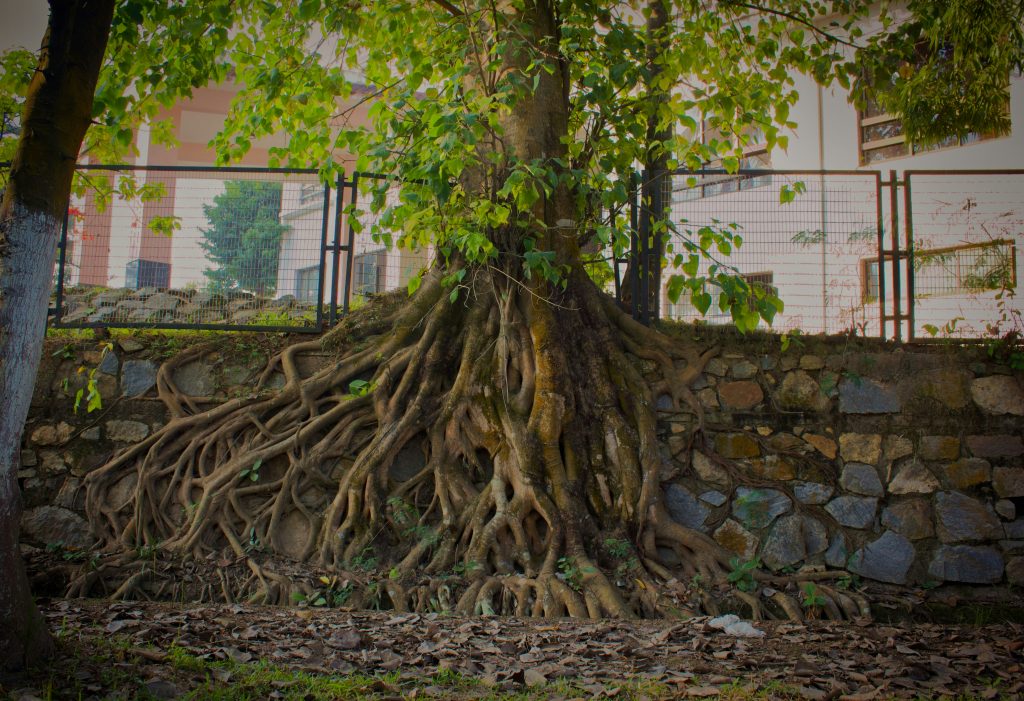
Trees communicate and cooperate through vast underground networks of fungi that connect their roots, allowing them to exchange nutrients and chemical signals. Drawing on the research of ecologist Suzanne Simard and Indigenous knowledge, this article explores how forests function as interconnected communities, where older trees nurture younger ones and biodiversity strengthens resilience.
Roots of Resilience | Action Tree
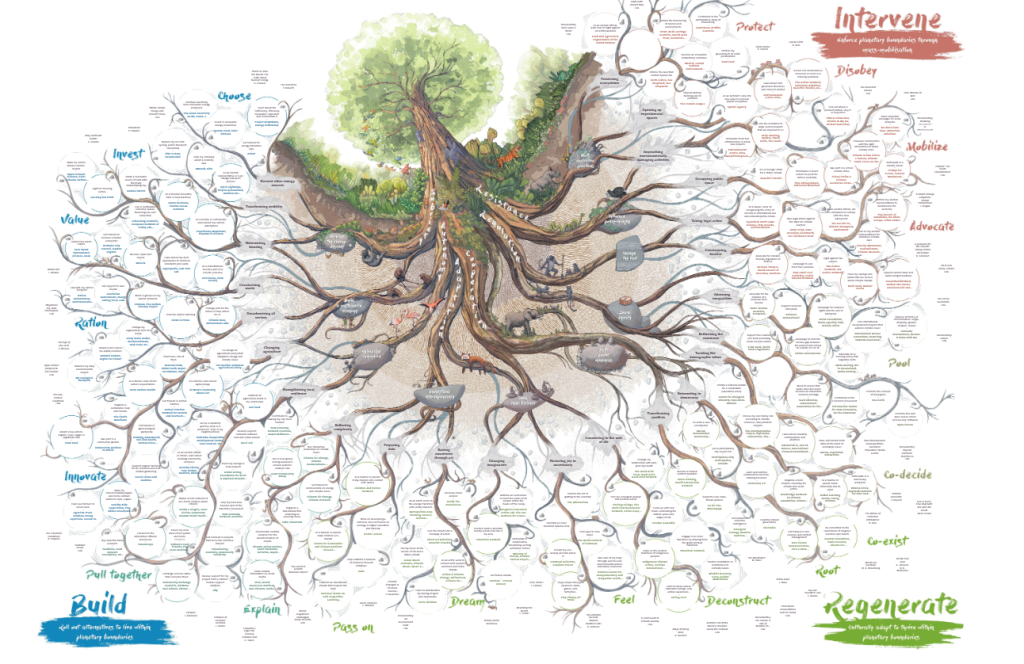
Energy, climate, collapse, resilience… Now what?
More than 200 ways to get moving.
Everyone can find a way to act, in their own way. What’s your next step?
To Hell with Drowning
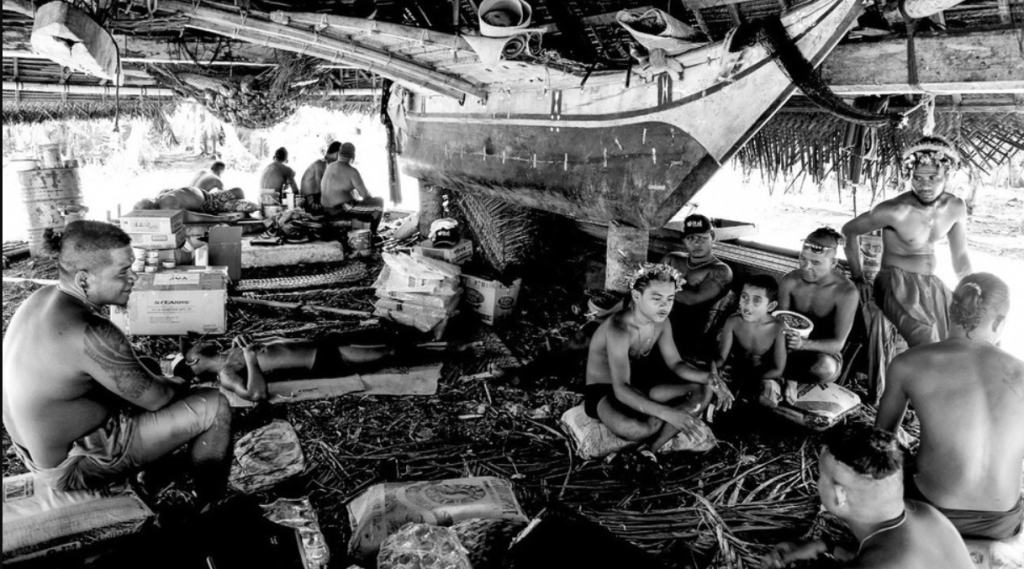
Julian Aguon, The Atlantic, 2021
In Fiji (as in many of our islands), the people are tethered to the earth, as enshrined in the concept of vanua, a word that means “the land” and “the people” at once. Vunidogoloans live and love and die on their lands, most of which they do not even own, at least not as individuals. Rather, theirs is a system of communal land ownership. They tend to their gardens. They bury their dead. They even bury their umbilical cords. So it was no surprise when, as about 30 families set out for the new site, some of the older women wailed as they walked.
Falter: Has the Human Game Begun to Play Itself Out?
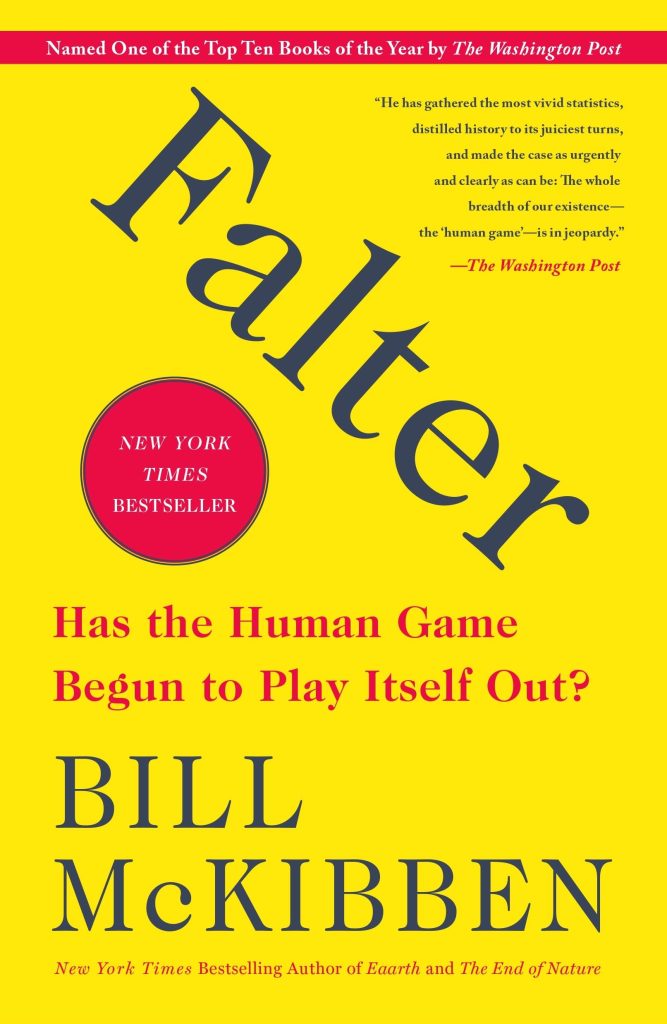
Bill McKibben’s groundbreaking book The End of Nature—issued in dozens of languages and long regarded as a classic—was the first book to alert us to global warming. But the danger is broader than that: even as climate change shrinks the space where our civilization can exist, new technologies like artificial intelligence and robotics threaten to bleach away the variety of human experience.
Falter tells the story of these converging trends and of the ideological fervor that keeps us from bringing them under control. And then, drawing on McKibben’s experience in building 350.org, the first truly global citizens movement to combat climate change, it offers some possible ways out of the trap. We’re at a bleak moment in human history—and we’ll either confront that bleakness or watch the civilization our forebears built slip away.
The Secret Life of Plants
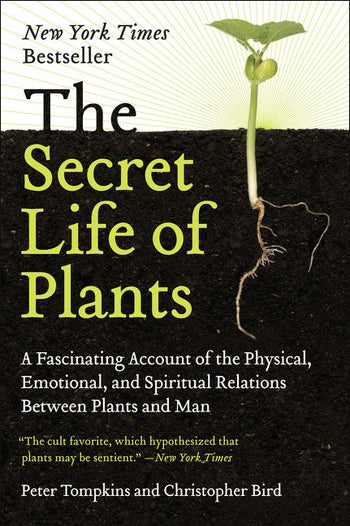
Explore the inner world of plants and its fascinating relation to mankind, as uncovered by the latest discoveries of science. A perennial bestseller.
In this truly revolutionary and beloved work, drawn from remarkable research, Peter Tompkins and Christopher Bird cast light on the rich psychic universe of plants. Now available in a new edition, The Secret Life of Plants explores plants’ response to human care and nurturing, their ability to communicate with man, plants’ surprising reaction to music, their lie-detection abilities, their creative powers, and much more. Tompkins and Bird’s classic book affirms the depth of humanity’s relationship with nature and adds special urgency to the cause of protecting the environment that nourishes us.
The World We Have: A Buddhist Approach to Peace and Ecology
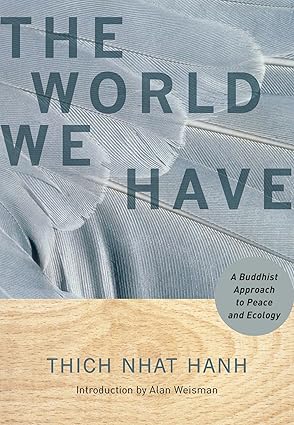
I have sat with the Buddha for a long time and consulted him about the issue of global warming, and the teaching of the Buddha is very clear. If we continue to live as we have been living, consuming without a thought to the future, destroying our forests and emitting greenhouse gases, then devastating climate change is inevitable.
Much of our ecosystem will be destroyed. Sea levels will rise and coastal cities will be inundated, forcing hundreds of millions of refugees from their homes, creating wars and outbreaks of infectious disease.
We need a kind of collective awakening. There are among us men and women who are awakened, but it’s not enough; the masses are still sleeping. They cannot hear the ringing of the bells. We have built a system we cannot control. This system imposes itself on us, and we have become its slaves and victims.
Forest Bathing: How Trees Can Help You Find Health and Happiness
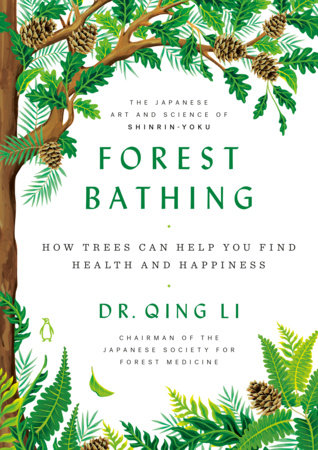
It is essential for humans to renew their connection with nature. It is essential to our nervous systems. It is essential to our overall health and well-being.