
30. “Beyond Trump: The failures that led to the Capitol riots”

An examination of the factors surrounding the January 6, 2021 attack on the U.S. Capitol, looking beyond the actions of Donald Trump to consider the roles of political allies, news and social media, law enforcement, and longer-standing forms of extremism and racial division. The piece presents several perspectives on how these overlapping factors contributed to the events and what they might mean for American democracy.
28. “News” as propaganda

An examination of the close relationship between Fox News and the Trump White House, and the ways media, political power, and business interests can become deeply intertwined. Drawing on Jane Mayer’s reporting, the piece explores the movement of personnel between Fox and the administration, the influence of media narratives on political discourse, and the challenges this creates for the independence of journalism.
24. Global Challenges Are Directing Us Toward a Unity of Purpose

An exploration of how global crises, social division, and collective uncertainty can become catalysts for greater cooperation and unity. The authors consider the movement from separation and hierarchy toward wholeness, ethical responsibility, deeper listening, and a shared sense of purpose across differences.
Center for Humans and Nature

The Center for Humans and Nature seeks to dismantle cultural structures built on racism, White supremacy, and the exploitation of Black people, Indigenous people, and People of Color. Within the tangle of racism, inequality, violence, environmental degradation, toxic individualism, and unethical economics, we celebrate and affirm life-sustaining processes and relationships.
A Century of suffrage
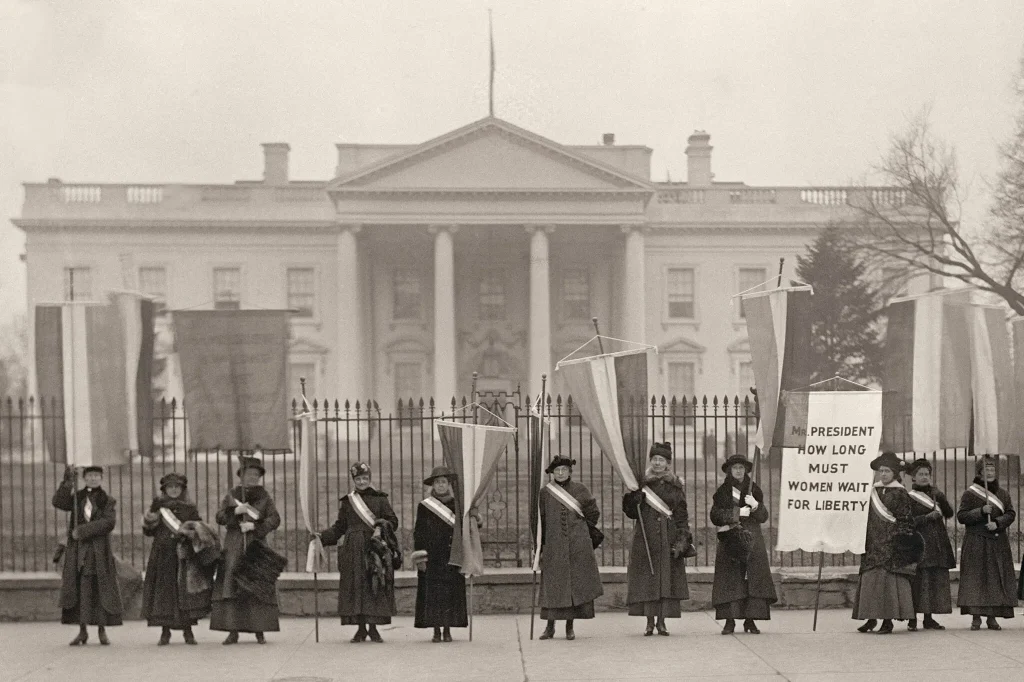
This New York Times article marks the centennial of the ratification of the 19th Amendment and examines the long struggle for women’s voting rights in the United States. It highlights how Native American, Chinese American, and African American women continued to face barriers to voting after 1920, connecting the history of suffrage to the continuing struggle over voting access and political participation.
Full Transcript of Michelle Obama’s D.N.C. Speech
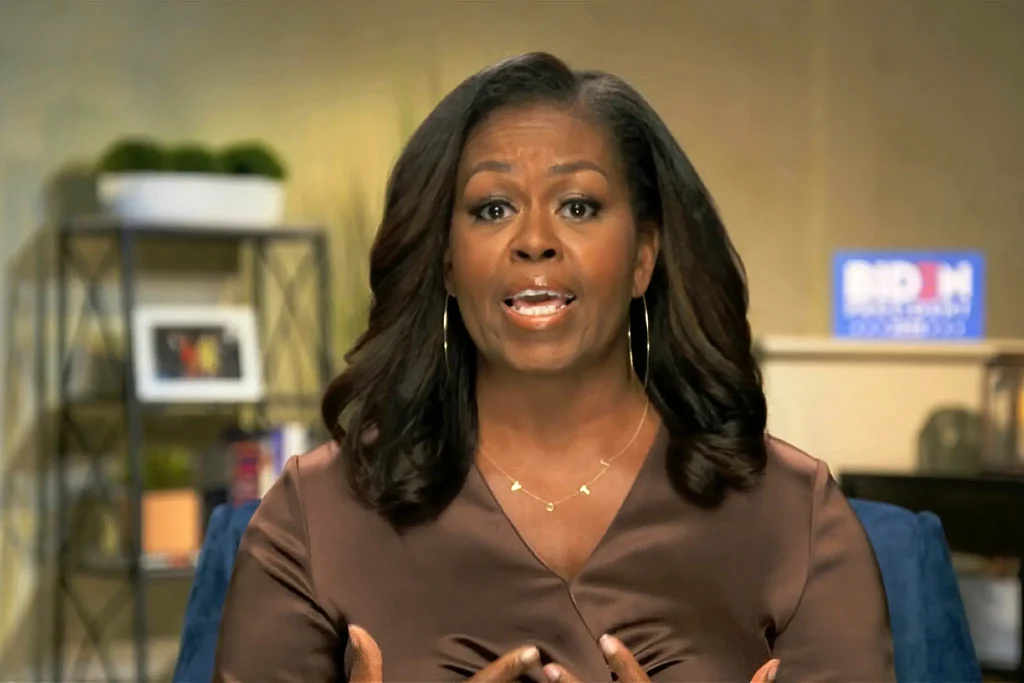
This New York Times article provides the full transcript of Michelle Obama’s keynote speech from the first night of the 2020 Democratic National Convention. In the speech, Obama reflects on American democracy, presidential leadership, injustice, civic participation, and the responsibilities of voters and leaders.
Spiral Journey

Spiral Journey offers international programs and facilitator development in the Work That Reconnects, supporting people in responding to the interconnected crises of climate disruption, systemic racism, oppression, war, and species extinction.
The New Jim Crow
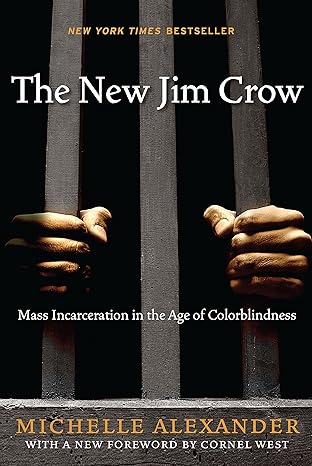
Michelle Alexander argues that mass incarceration has become a new system of racial control in the United States, replacing overt segregation with policies that disproportionately target Black communities while maintaining the appearance of racial neutrality. Drawing on legal history and criminal justice research, she reveals how discrimination persists through institutions that deny millions full citizenship and equal rights.
The Strange Career of Jim Crow
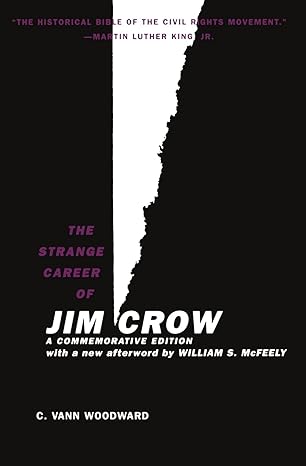
C. Vann Woodward examines the origins of the Jim Crow system, showing that racial segregation in the American South was not an enduring historical tradition but a relatively recent legal and political invention. His influential account reveals how laws and institutions created and sustained racial inequality, reshaping understandings of race, democracy, and justice in the United States.
Birth of a White Nation
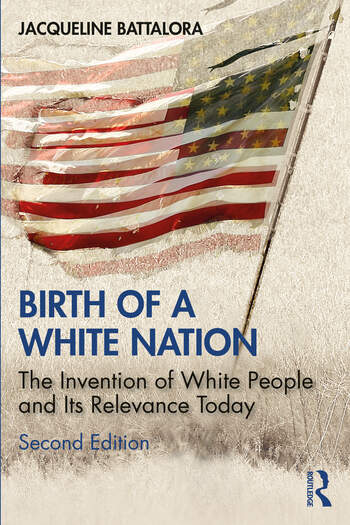
Jacqueline Battalora traces the historical invention of “white people” as a legal and social category, revealing how race was constructed to establish and preserve systems of power and privilege. Drawing on colonial law and history, she examines the enduring legacy of whiteness and offers a framework for understanding—and dismantling—the structures that continue to shape racial inequality today.