
Traditional Ecological Knowledge: Learning from Indigenous Practices for Environmental Sustainability (New Directions in Sustainability and Society)
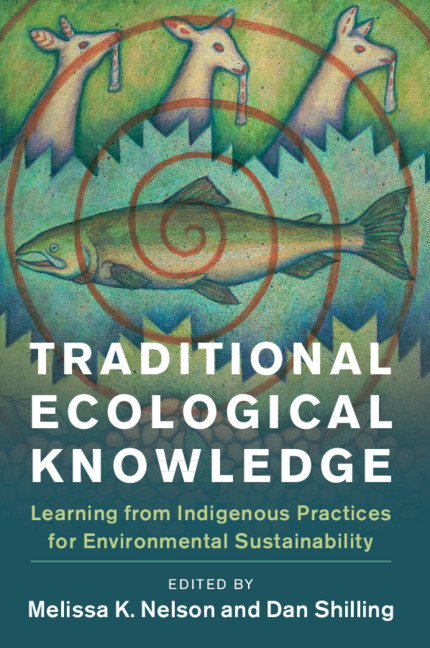
Melissa K. Nelson and Daniel Shilling (Editors)
This book examines the importance of Traditional Ecological Knowledge (TEK) and how it can provide models for a time-tested form of sustainability needed in the world today. The essays, written by a team of scholars from diverse disciplinary backgrounds, explore TEK through compelling cases of environmental sustainability from multiple tribal and geographic locations in North America and beyond. Addressing the philosophical issues concerning indigenous and ecological knowledge production and maintenance, they focus on how environmental values and ethics are applied to the uses of land.Grounded in an understanding of the profound relationship between biological and cultural diversity, this book defines, interrogates, and problematizes, the many definitions of traditional ecological knowledge and sustainability. It includes a holistic and broad disciplinary approach to sustainability, including language, art, and ceremony, as critical ways to maintain healthy human-environment relations.
Deschooling Dialogues: On Initiation, Trauma and Ritual with Francis Weller
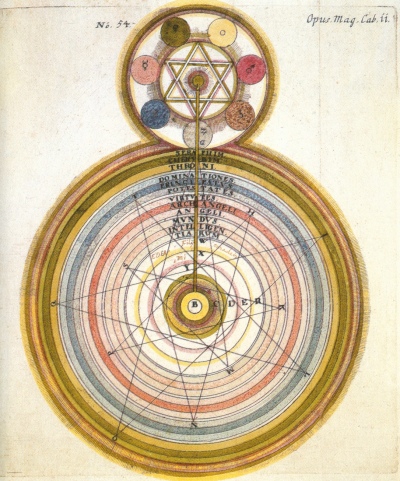
Can we get there? Back to community, to connection, art, imagination, mutual engagement? We either heal communally or we don’t. As far as what we’re going through right now, we’re watching the historic trauma unfold, and the reactions to trauma, which are panic, terror, exaggerated expressions of masculinity in its grossest form. And we’re also seeing a heightened and quickened sense of compassion.
The Wild Edge of Sorrow: Rituals of Renewal and the Sacred Work of Grief

The Descent to Soul

Bill Plotkin, 2021,
I believe the root cause of the dire crises and challenges of our time — all of our currently cascading environmental and cultural collapses — is a widespread failure in individual human development. This has been true for so long and in so many societies that most people today (including most psychologists, educators, and religious leaders) are unaware of this breakdown in the natural sequence of human maturation, a failure now plainly evident — as witnessed in the current epidemics of psychological dysfunction as well as social and ecological degradation. Vital threads in growing whole are missing from the cultural fabric. Too many of us are only troubled guests on this Earth.
The Journey of Soul Initiation: A Field Guide for Visionaries, Evolutionaries, and Revolutionaries
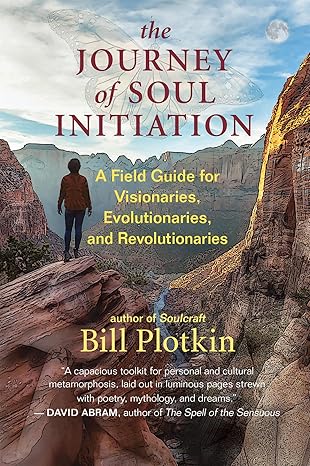
Soul initiation is an essential spiritual adventure that most of the world has forgotten — or not yet discovered. Here, visionary ecopsychologist Bill Plotkin maps this journey, one that has not been previously illuminated in the contemporary Western world and yet is vital for the future of our species and our planet. Based on the experiences of thousands of people, this book provides phase-by-phase guidance for the descent to soul — the dissolution of current identity; the encounter with the mythopoetic mysteries of soul; and the metamorphosis of the ego into a cocreator of life-enhancing culture. Plotkin illustrates each phase of this riveting and sometimes hazardous odyssey with fascinating stories from many people, including those he has guided. Throughout he weaves an in-depth exploration of Carl Jung’s Red Book — and an innovative framework for understanding it.
When God Was A Woman
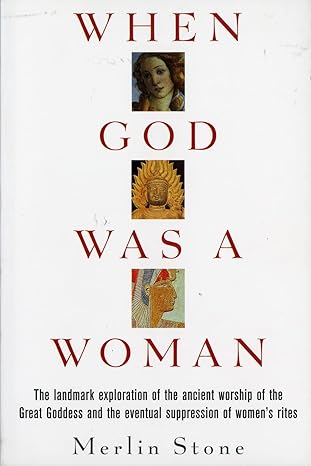
The landmark exploration of the ancient worship of the Great Goddess and the eventual supression of women’s rites.In the beginning, God was a woman…How did the shift from matriarchy to patriarchy come about? In fascinating detail, Merlin Stone tells us the story of the Goddess who reigned supreme in the Near and Middle East. Under her reign, societal roles differed markedly from those in patriarchal Judeo-Christian cultures: women bought and sold property, traded in the marketplace, and inherited title and land from their mothers. Documenting the wholesale rewriting of myth and religious dogmas, Merlin Stone describes an ancient conspiracy in which the Goddess was reimagined as a wanton, depraved figure, a characterization confirmed and perpetuated by one of modern culture’s best-known legends—that of the fall of Adam and Eve. Insightful and thought-provoking, this is essential reading for anyone interested in the origin of current gender roles and in rediscovering women’s power.