
Joanna Macy at Bioneers, November 12, 2021
Joanna Macy in her usual stellar form as she navigates the realm of true inspiration and aliveness, between being hopeless, and hopeful.
This is a clip from the Bioneers conference, further edited and produced by the wonderful team at Facing Future.
Deep Adaptation
Jem Bendell, co-editing with Rupert Read, brings together scholars, activists, and practitioners to explore how individuals and communities might respond to the realities of climate disruption and potential societal collapse. Grounded in the Deep Adaptation framework, the contributors examine grief, resilience, justice, and collective dialogue as foundations for navigating an uncertain future.
The Ascent of Humanity
The Ascent of Humanity is about the history and future of civilization from a unique perspective: the evolution of the human sense of self. This book describes how all the expressions of our civilization—its miraculous technology as well as the pillage of earth, culture, goodness, and beauty—arise from our identity, our way of being, “the discrete and separate self”. The gathering crises of our age demonstrate that this way of being is on the verge of collapse. And this collapse is setting the stage for a revolution in human beingness whose stirrings we already begin to feel.
The More Beautiful World Our Heart Know is Possible

By Charles Eisenstein.
In a time of social and ecological crisis, what can we as individuals do to make the world a better place? This inspirational and thought-provoking book serves as an empowering antidote to the cynicism, frustration, paralysis, and overwhelm so many of us are feeling, replacing it with a grounding reminder of what’s true: we are all connected, and our small, personal choices bear unsuspected transformational power.
Bring Yourself to Love: How Couples Can Turn Disconnection Into Intimacy and Connection
Mona Barbera explores how couples can transform patterns of conflict and emotional disconnection into deeper intimacy. Through the practice of what she calls “giving better back,” she demonstrates how responding from vulnerability rather than reactivity can interrupt cycles of defensiveness, foster trust, and invite more open-hearted connection.
How Can I Get Through to You?: Closing the Intimacy Gap Between Men and Women
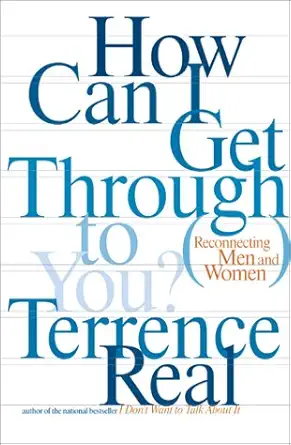
By Terrance Real
Taking a close-up look at gender roles and conditioning, the best-selling author of I Don’t Want to Talk About It explores the current status of intimate relations between men and women and introduces five Core Relationship Skills that couples can use to develop true intimacy. 100,000 first printing.
The Story of Our Time: From Duality to Interconnectedness to Oneness
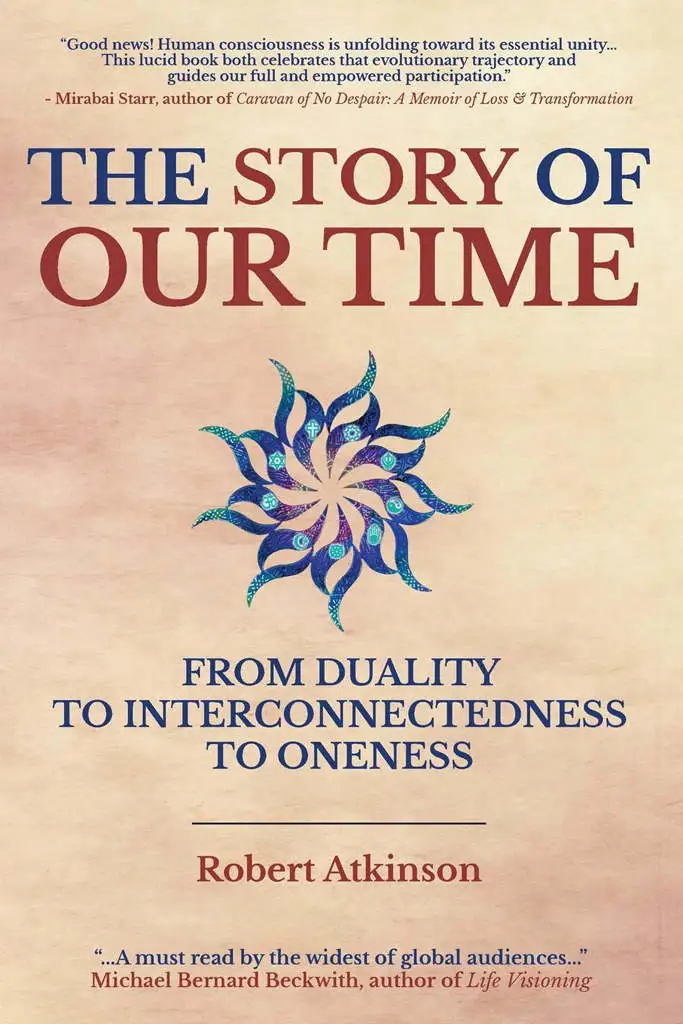
Robert Atkinson traces humanity’s evolving story from separation and duality toward interconnectedness and oneness, drawing on the shared wisdom of the world’s spiritual traditions. He presents conscious evolution as an unfolding process that invites both personal transformation and collective participation in creating a more compassionate, unified, and life-affirming future.
Being the Change: Discoveries from a Yearlong Living Laboratory
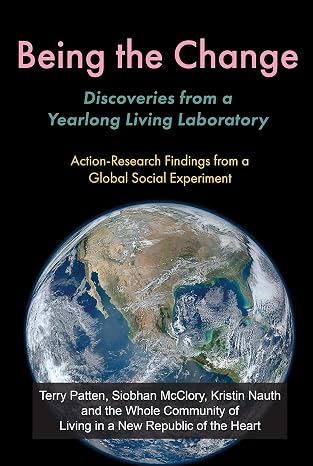
Terry Patten, Siobhan McClory, and Kristin Nauth document a year-long global experiment in collective transformation, sharing the practices, insights, and challenges of people learning to “be the change” together. Through action inquiry and intentional cultural evolution, they explore how inner development, authentic relationships, and collaborative action can help catalyze the profound societal changes our times demand.
A New Republic of the Heart: An Ethos for Revolutionaries
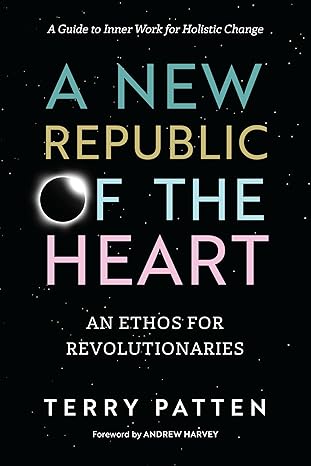
Recasting current problems as emergent opportunities, Terry Patten offers creative responses, practices, and conscious conversations for tackling the profound inner and outer work we must do to build an integral future. In practical and personal terms, he discusses how we can all become active agents of a transformation of human civilization and why that is necessary to our continued survival. Patten’s narrative focuses on two aspects of existence–our dynamic but fractured and threatened world, and our underlying wholeness and unity. Only by honoring both of these realities simultaneously can we make sustainable changes in ourselves, our communities, our body politic, and our planetary life-support system.
Ten ways to confront the climate crisis without losing hope
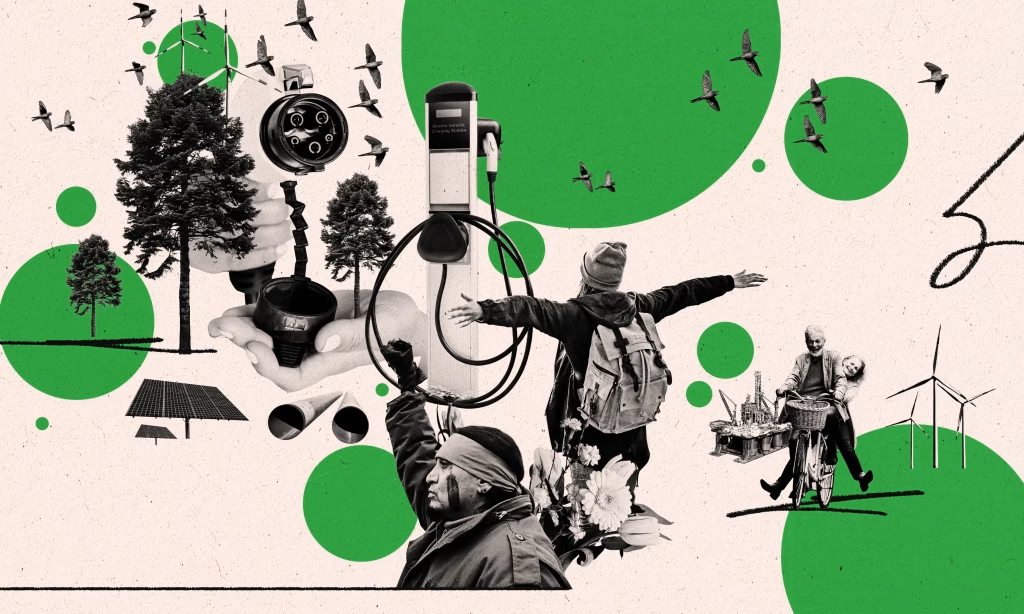
Rebecca Solnit argues that despair is neither inevitable nor useful in the face of the climate crisis. Drawing on examples of social movements, political change, and collective action, she reframes hope as an active practice—one that recognizes the power of ordinary people to challenge entrenched interests and help shape a more just and sustainable future.